A manufacturing company gets an enormous contract. Even though the production needs for each month have grown, the plant does not suddenly have more floor space or experienced employees. While adding another shift may temporarily improve the situation, it may be a source of new work or supervision, as well as additional training and the need for quality control.
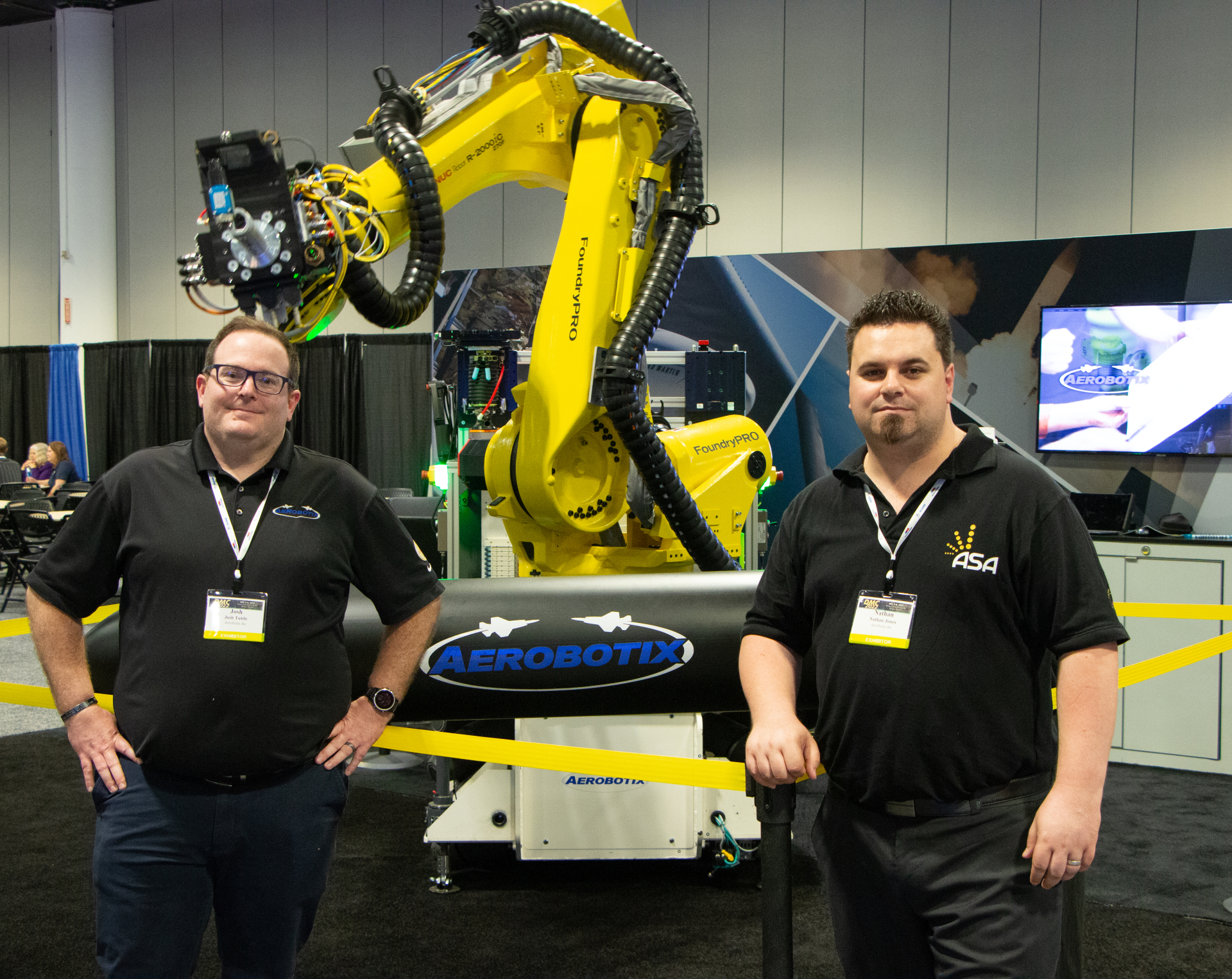
Image credit: automatedsolutions.com.au
These examples show an significant reason to use robotics automation. It’s not just about replacing humans with machines. When used in the right way it could alter the way manufacturers use the production capacity they have.
Look at the Seconds That Disappear Between Products
Inefficiency in manufacturing doesn’t need to be a major issue. A worker could spend 15 minutes putting the part in place and then 10 seconds putting on substances, and then a few seconds more to move it to the next step. On one aspect it’s not much of a difference. When repeated thousands of times however, those seconds become substantial production time.
It’s the same with waste material. A small amount of excess coating or dispensing material multiplied throughout a production run that is high-volume could be a substantial expense.
Businesses considering robotic automation Australia projects can benefit from examining these small regular losses prior to deciding on the equipment they will require. The needs analysis of ASA is designed to find bottlenecks, inefficiencies, quality issues, and other process constraints which could affect the automation project.
A Robot has to fit the Process Around It
The choice of a robot is just one option in the engineering process. Tools, guardings, controls sensors, conveyors and fixtures might also be necessary. Engineers need to consider the payload and reach while determining how the robot can move around its work area and interact with everything around it.
ASA provides conceptual development, system design, CAD simulation, and offline programming as part of its approach to FANUC’s robotic automation. Engineers can explore system configurations and estimate cycles before the finished system is installed on the factory floor. It is particularly helpful when there is a small amount of space or the new robotics requires integration with a production line.
The importance of repeatability in painting and dispensing
Some manufacturing processes illustrate the benefits of controlled movement particularly well. Imagine coating hundreds of components. It’s not enough to complete each piece in a short time. From the start of production to the end all the movements, speed, distance and application must be managed.
ASA has specialists working with painting and dispensing systems across industries including automotive and aerospace. In these environments, industrial robotic automation can provide repeatable programmed movement while also reducing employee exposure to physically demanding or potentially hazardous processes.
The reduction of waste and the improvement of productivity can be accomplished by better control.
The System Needs People Even After Installation
Automatism doesn’t replace manufacturing knowledge. It changes the skills required to operate and maintain the process.
Employees must be taught to safely use equipment as well as to spot abnormal behavior, troubleshoot faulty components, and carry out necessary maintenance. The demands for production can shift as time passes, which means that the processes and programs need to be adapted.
ASA offers training on site that covers safe operation, programming, troubleshooting, as well as electrical and mechanical maintenance. The company also provides servicing and support on a regular basis to assess equipment condition and address issues that may arise during the equipment’s operational time.
Capacity is more than working faster
In Australia, boosting production capacity is not always about the addition of workers to repetitive tasks or buying bigger buildings. Sometimes, the best question is whether the existing manufacturing process can be designed differently.
ASA has been working on and integrated automation solutions since 2002, supporting manufacturers in Australia as well as projects around the world. Its approach combines needs analysis and engineering simulation with FANUC integration as well as training and maintenance.
Automating just for the sake of it isn’t the objective. A system that is effective should provide manufacturers something tangible in return more dependable production, consistent quality, safer processes, lower waste or a greater capacity in the existing factory.
Why Some Australian Manufacturers Are Reengineering Work Instead of Adding Another Shift
A manufacturing company gets an enormous contract. Even though the production needs for each month have grown, the plant does not suddenly have more floor space or experienced employees. While adding another shift may temporarily improve the situation, it may be a source of new work or supervision, as well as additional training and the need for quality control.
Image credit: automatedsolutions.com.au
These examples show an significant reason to use robotics automation. It’s not just about replacing humans with machines. When used in the right way it could alter the way manufacturers use the production capacity they have.
Look at the Seconds That Disappear Between Products
Inefficiency in manufacturing doesn’t need to be a major issue. A worker could spend 15 minutes putting the part in place and then 10 seconds putting on substances, and then a few seconds more to move it to the next step. On one aspect it’s not much of a difference. When repeated thousands of times however, those seconds become substantial production time.
It’s the same with waste material. A small amount of excess coating or dispensing material multiplied throughout a production run that is high-volume could be a substantial expense.
Businesses considering robotic automation Australia projects can benefit from examining these small regular losses prior to deciding on the equipment they will require. The needs analysis of ASA is designed to find bottlenecks, inefficiencies, quality issues, and other process constraints which could affect the automation project.
A Robot has to fit the Process Around It
The choice of a robot is just one option in the engineering process. Tools, guardings, controls sensors, conveyors and fixtures might also be necessary. Engineers need to consider the payload and reach while determining how the robot can move around its work area and interact with everything around it.
ASA provides conceptual development, system design, CAD simulation, and offline programming as part of its approach to FANUC’s robotic automation. Engineers can explore system configurations and estimate cycles before the finished system is installed on the factory floor. It is particularly helpful when there is a small amount of space or the new robotics requires integration with a production line.
The importance of repeatability in painting and dispensing
Some manufacturing processes illustrate the benefits of controlled movement particularly well. Imagine coating hundreds of components. It’s not enough to complete each piece in a short time. From the start of production to the end all the movements, speed, distance and application must be managed.
ASA has specialists working with painting and dispensing systems across industries including automotive and aerospace. In these environments, industrial robotic automation can provide repeatable programmed movement while also reducing employee exposure to physically demanding or potentially hazardous processes.
The reduction of waste and the improvement of productivity can be accomplished by better control.
The System Needs People Even After Installation
Automatism doesn’t replace manufacturing knowledge. It changes the skills required to operate and maintain the process.
Employees must be taught to safely use equipment as well as to spot abnormal behavior, troubleshoot faulty components, and carry out necessary maintenance. The demands for production can shift as time passes, which means that the processes and programs need to be adapted.
ASA offers training on site that covers safe operation, programming, troubleshooting, as well as electrical and mechanical maintenance. The company also provides servicing and support on a regular basis to assess equipment condition and address issues that may arise during the equipment’s operational time.
Capacity is more than working faster
In Australia, boosting production capacity is not always about the addition of workers to repetitive tasks or buying bigger buildings. Sometimes, the best question is whether the existing manufacturing process can be designed differently.
ASA has been working on and integrated automation solutions since 2002, supporting manufacturers in Australia as well as projects around the world. Its approach combines needs analysis and engineering simulation with FANUC integration as well as training and maintenance.
Automating just for the sake of it isn’t the objective. A system that is effective should provide manufacturers something tangible in return more dependable production, consistent quality, safer processes, lower waste or a greater capacity in the existing factory.
Table of Contents
Recent Post
Why Some Australian Manufacturers Are Reengineering Work Instead of Adding Another Shift
A manufacturing company gets an enormous contract. Even though the production needs for each month have grown, the plant does not suddenly have more floor
Creating Better Workday Lunches With Fewer Refined Carbohydrates
Reducing carbohydrates sounds straightforward until lunchtime arrives. A lot of the simple options that people choose like tortillas paninis, pizzas, wraps and pizzas, can contribute