In the medical field, it is easy to think that better imaging implies more detailed images. In reality, good radiology has a greater purpose than the other. It’s important to ask whether the examination provides right information in a given medical circumstance.
For example, a person with a suspicion of joint issue has a different set of diagnostic issues as compared to someone who is undergoing prostate or breast imaging. Modern radiology addresses these differences by using a variety of imaging techniques instead of having one scanner to cover each scenario.
The private consultation offered at the Wolfsburg Diagnostic Center gives patients access to a variety of imaging and diagnostic services within one radiology practice.
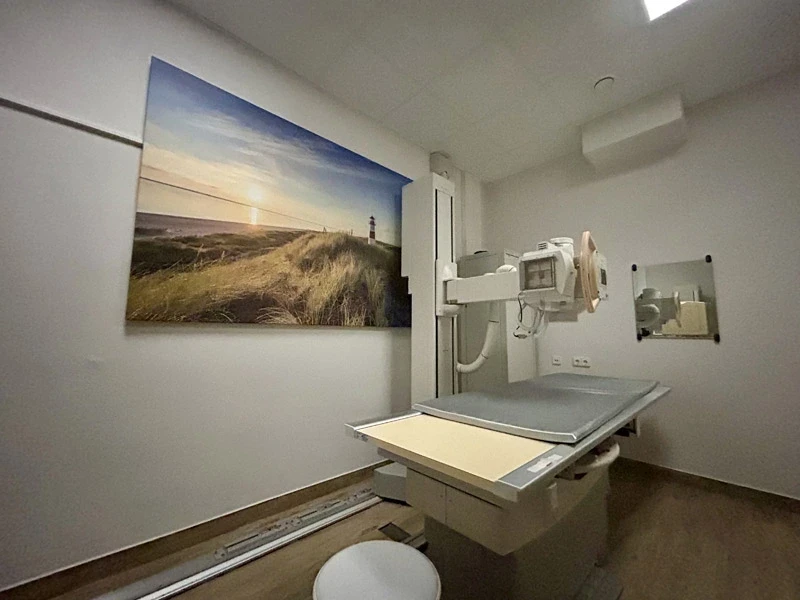
Image credit: diagnostikzentrum-wolfsburg.de
Different Body Parts Show Theirself Differently
Using different imaging techniques, the soft tissues, bones organs, joints, and other structures may not appear exactly the same way.
Magnetic resonance imaging is especially useful in situations where a detailed view of a variety of soft tissue structures is required. The Wolfsburg Diagnostic Center uses two 1.5 Tesla MRIs to examine the brain, spines, joints, internal organs, and soft tissues.
MRI is an non-radiation radiation imaging. If the situation warrants, the centre can offer more specific examinations like prostate MRIs and whole body MRIs.
The takeaway for patients is simple The phrase “MRI” describes the technology, but the medical aspect decides how this technology will be utilized.
CT Provides a Different View
CT has its own function in diagnosing medicine. CT uses X-rays to create detailed cross-sectional images of the body. The Wolfsburg Diagnostic Center employs low-dose technology in order to minimize radiation exposure and preserve high-quality images.
The situation in the clinic determines the appropriate imaging method. It’s not essential that a higher-quality image implies it is superior.
Digital X ray remains relevant
MRI and CT are getting a lot of interest. Traditional X-rays may sound old-fashioned. Digital X-rays reveal a totally different story.
Digital technology is an established method of examining the skeletal system. Contemporary equipment combines high-resolution imaging with techniques intended to limit radiation exposure.
In other words, modern technologies have expanded the radiologist’s options, rather than replacing every method that came before them.
Breast Imaging demonstrates value in the context of a specific method
Breast diagnostics is another type of a specialized image. The center provides mammography including 3D mammography and tomosynthesis, as also breast ultrasound. These technologies provide various types of information, depending on the specific patient’s medical condition.
Radiology is constructed on the same basis that understanding what must be determined is crucial for effective imaging.
Sometimes Imaging Helps Guide Treatment
Radiology is more than just detecting or checking for any abnormalities. The Wolfsburg Diagnostic Center also performs CT-guided periradicular therapy (PRT), in which CT imaging is used to guide the procedure. Another option for treatment is low-dose radiation therapy.
These examples illustrate how medical imaging is more than simply observing to guide treatment.
Precision is the art of asking a specific Question
Modern diagnostic centers are not defined by the number of devices they possess. Its significance lies in the application of technology in response to a particular medical condition, then using specialists to interpret the images. To learn more CT Wolfsburg
Patients can gain access to specialist care as well as a range of radiological examinations in private consultation hours.
It is not simply about creating more images. It is to produce useful clinical information that can aid doctors and patients to know the medical problem which is being investigated.